How a Modern Pallet Warehouse Organises and Moves Goods
A busy pallet warehouse relies on a constant, unbroken rhythm. Goods arrive in waves, move through sorting areas, rest on high steel racks, and finally leave in the back of heavy lorries. Without clear routines, this continuous flow quickly turns into chaos.
Understanding how storage facilities manage inventory reveals the hidden logic behind the boxes stacked neatly on wooden bases. Every movement follows a precise sequence designed to save time, protect merchandise, and keep workers safe.
The Critical First Step of Receiving
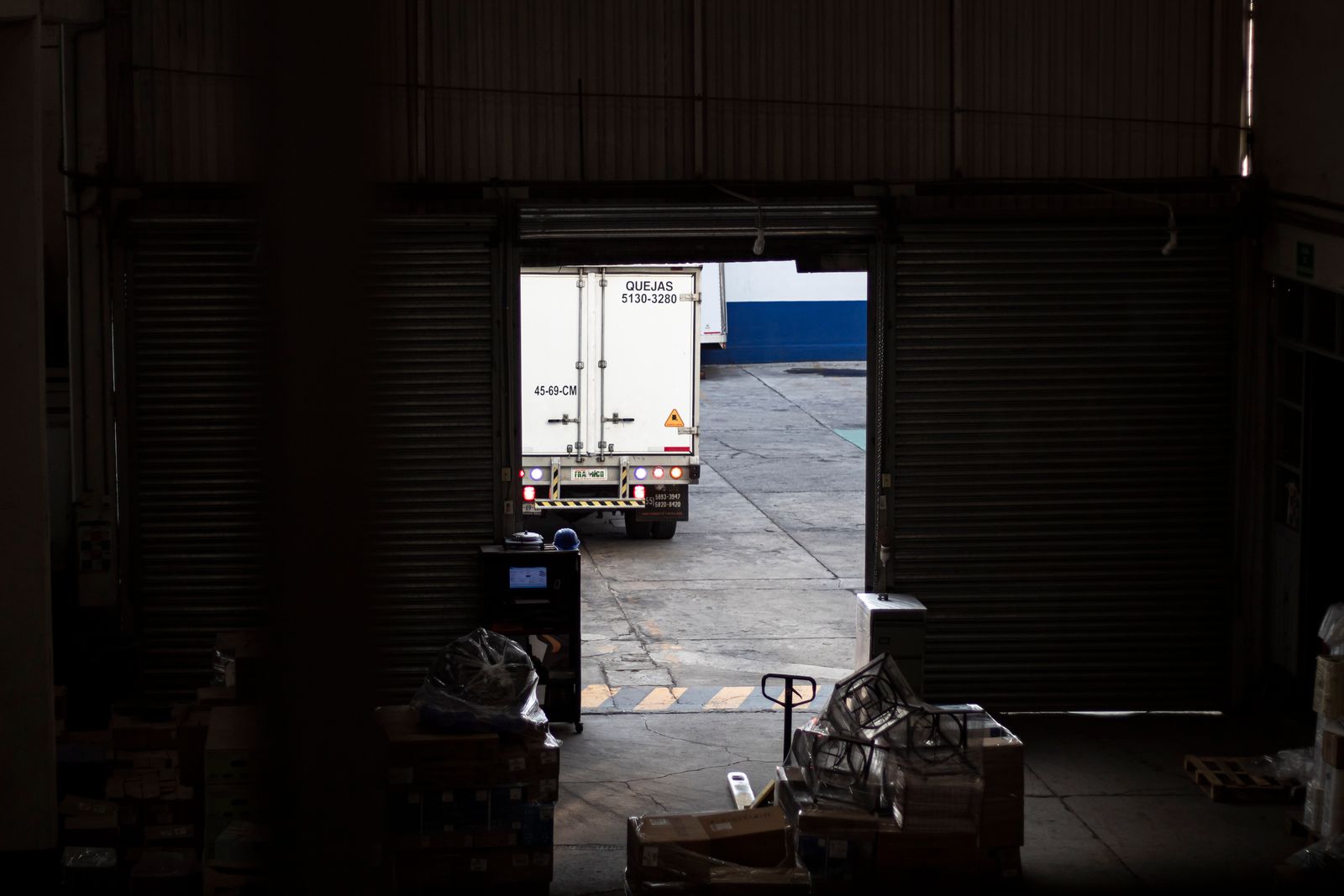
When a lorry reverses into the loading bay, the real work begins. Warehouse staff do not simply wave the driver through and dump the freight anywhere. They check the paperwork against the physical delivery, counting shrink-wrapped pallets and looking for crushed corners or torn plastic.
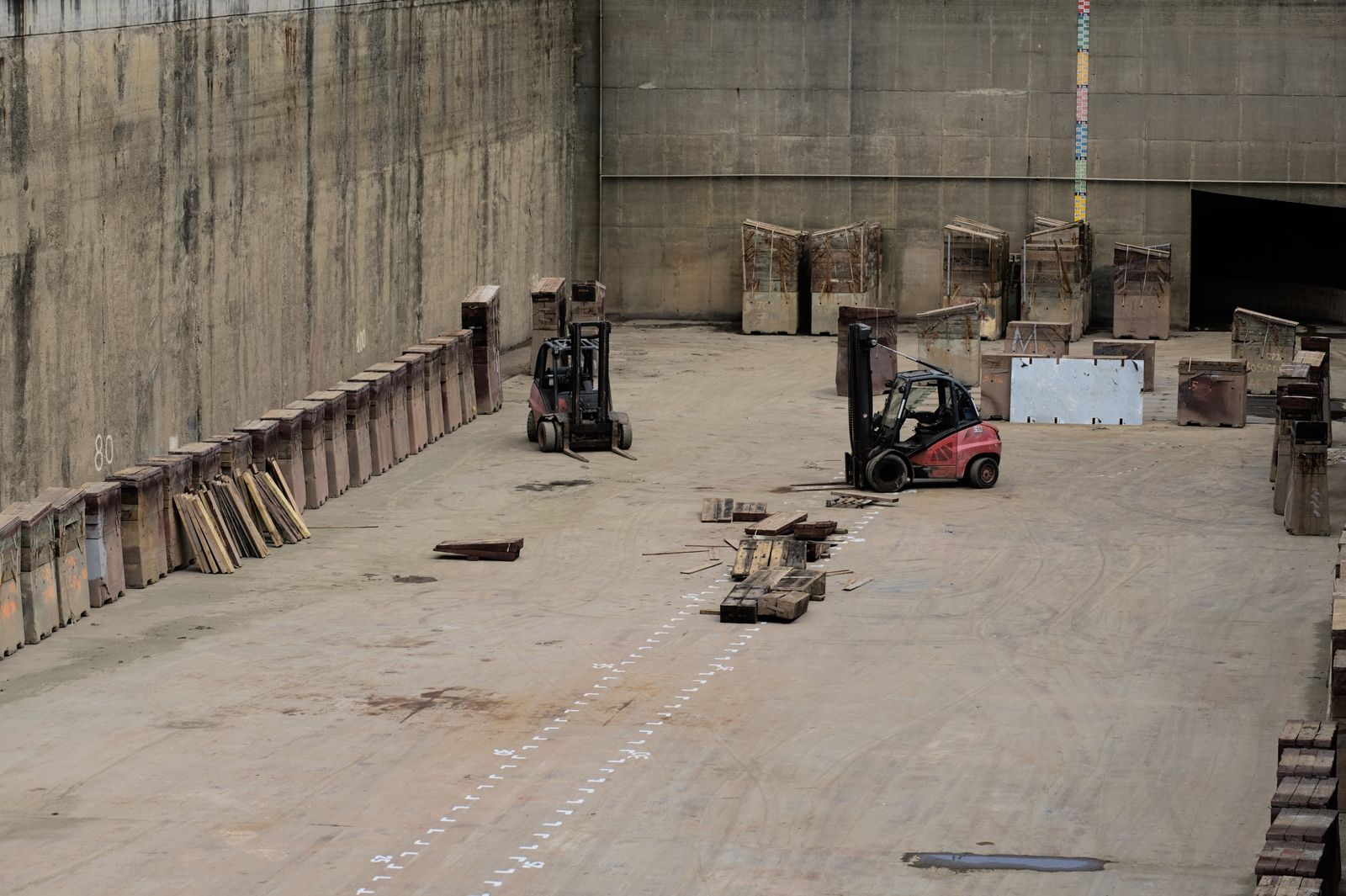
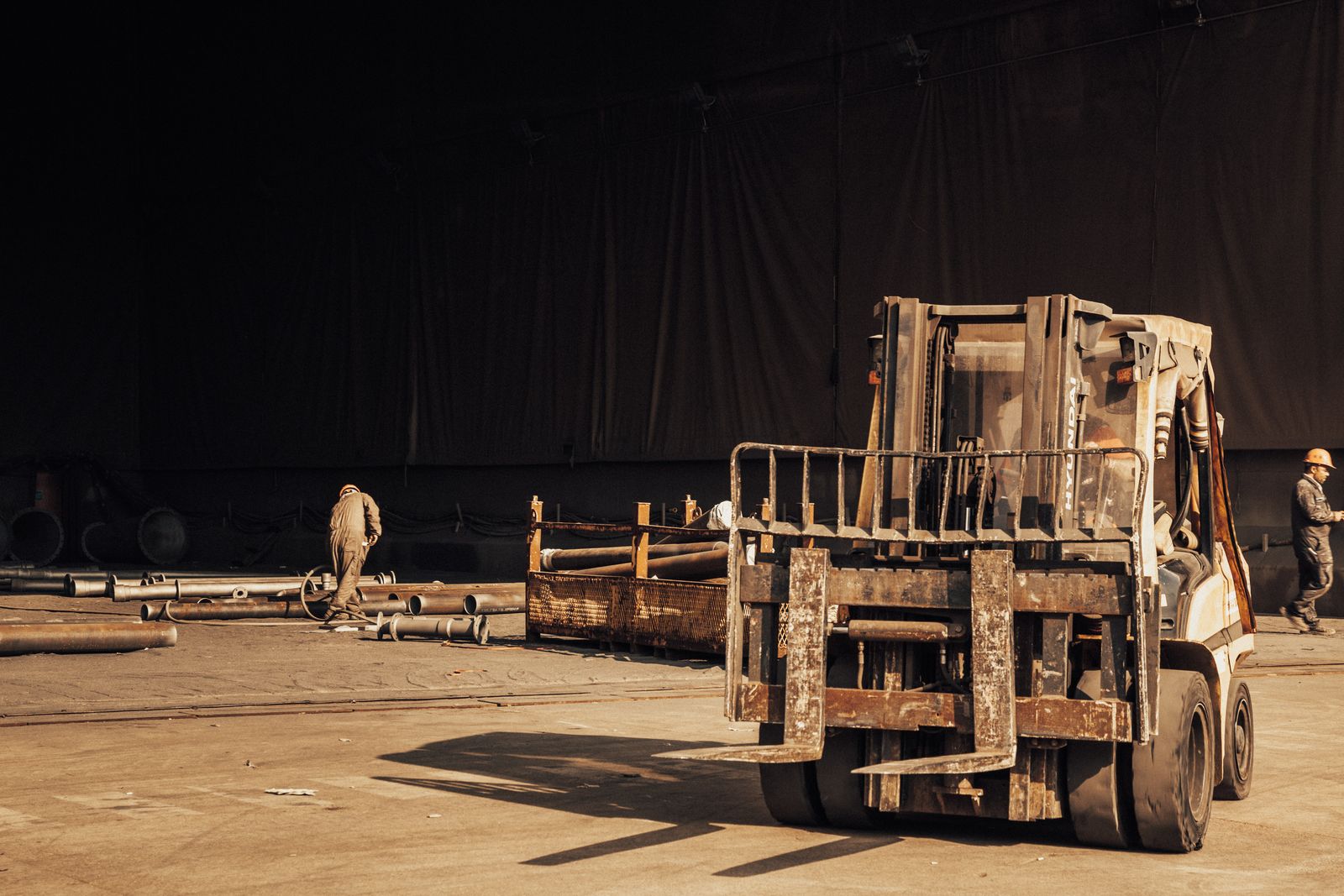
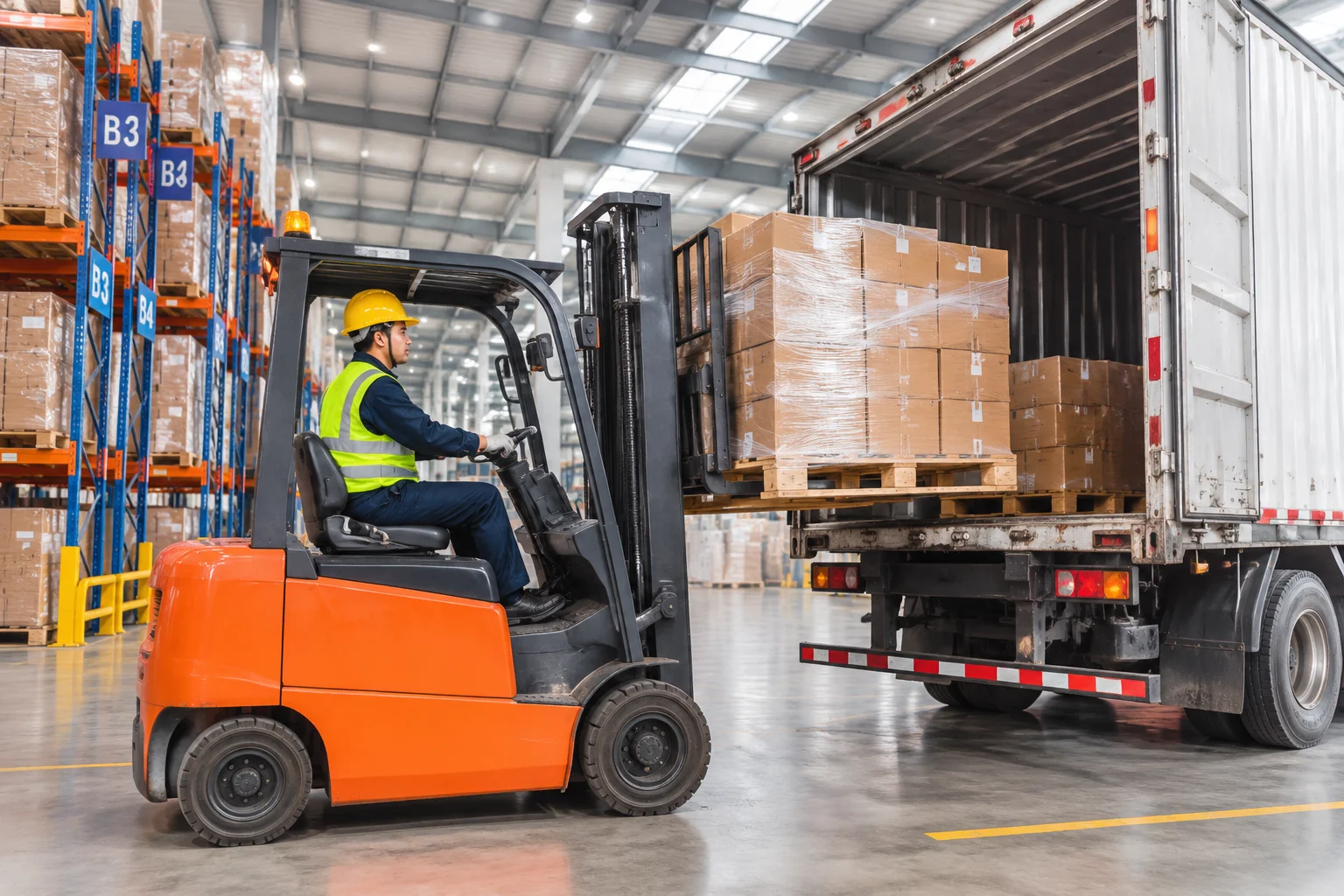
Damaged goods get flagged immediately. Forklift drivers slide their tines under the wooden boards and lift the heavy loads out of the trailer. This unloading phase sets the pace for the entire shift. If the receiving area becomes blocked, lorries queue up outside and delivery schedules fall apart.
- Inspect exterior stretch wrap for punctures
- Check wooden pallets for broken slats or protruding nails
- Verify total pallet count against the delivery manifest
- Scan barcode labels on each individual load unit
- Move accepted freight to the temporary staging zone
Once the cargo sits safely on the concrete floor, warehouse management systems take over. Staff scan the barcodes, linking each pallet to a digital profile that records its exact weight, dimensions, and owner.
Putting Stock Away in Racking Systems
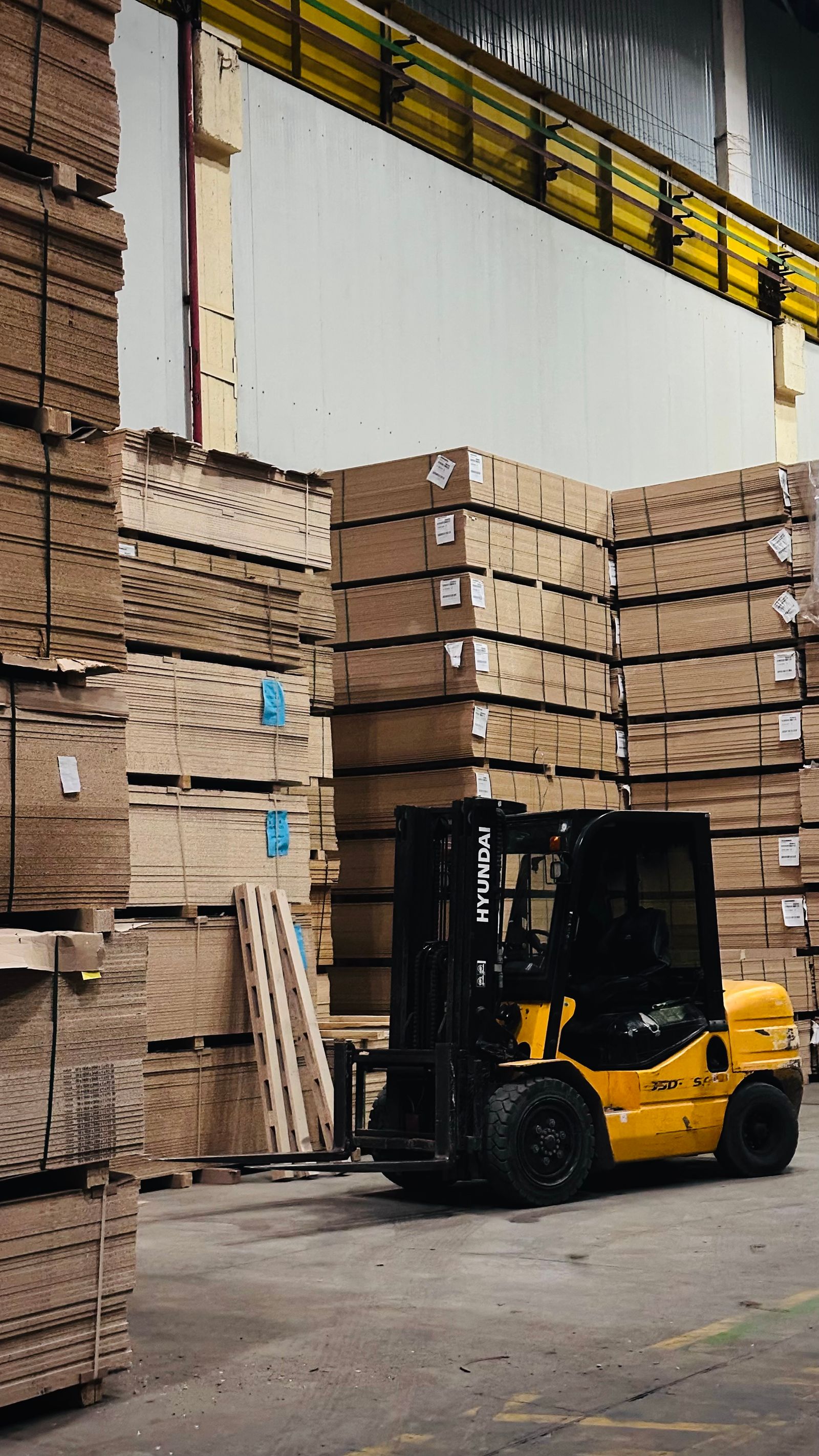
Space costs money, so warehouses grow upwards rather than outwards. Stacking pallets three or four levels high requires heavy-duty steel racking and steady hands at the controls of a reach truck. Drivers raise heavy loads twenty feet into the air, guiding them into narrow slots with millimeter precision.
Inventory placement is never random. Fast-moving items sit near the front doors on lower tiers to cut down retrieval time. Heavy industrial machinery components stay on ground-level bays, while lighter boxes of consumer goods climb to the upper levels.
Proper spacing between racks prevents accidents. Forklifts need enough room to turn without clipping upright steel columns. A single misplaced pallet can jam an entire aisle, forcing supervisors to halt operations until the blockage is cleared.
Picking and Assembling Outbound Orders
Storage is only half the job. The moment an order comes in, picker teams swing into action. They review picking lists on handheld terminals that map out the fastest walking or driving route through the aisles.
Workers pull specific quantities from different racking bays, consolidating them onto a single transport pallet. This stage demands absolute concentration. Picking the wrong product means a dissatisfied customer at the other end of the supply chain and expensive return shipping.
Completed orders move to the dispatch staging area. Here, staff wrap unstable loads in heavy-duty stretch film, anchoring the boxes tightly to the wooden base so they withstand the bumps and vibrations of the road.
Loading Lorries for Safe Transit
Loading a lorry requires the spatial awareness of a puzzle master. Forklift drivers roll pallets up heavy metal dock plates directly into the trailer, arranging the freight to distribute weight evenly across the vehicle axles.
Drivers use ratchet straps and wooden blocking bars to lock the cargo in place. If a pallet shifts halfway through a sharp turn on the motorway, the entire load can collapse, ruining the contents and endangering other road users.
Once the rear doors shut and the paperwork is signed, the lorry pulls away into traffic. The bay clears for the next vehicle, and the warehouse cycle starts all over again, driven by rhythm, routine, and heavy timber.